
How Quality Medical Care in Panama City Should Look
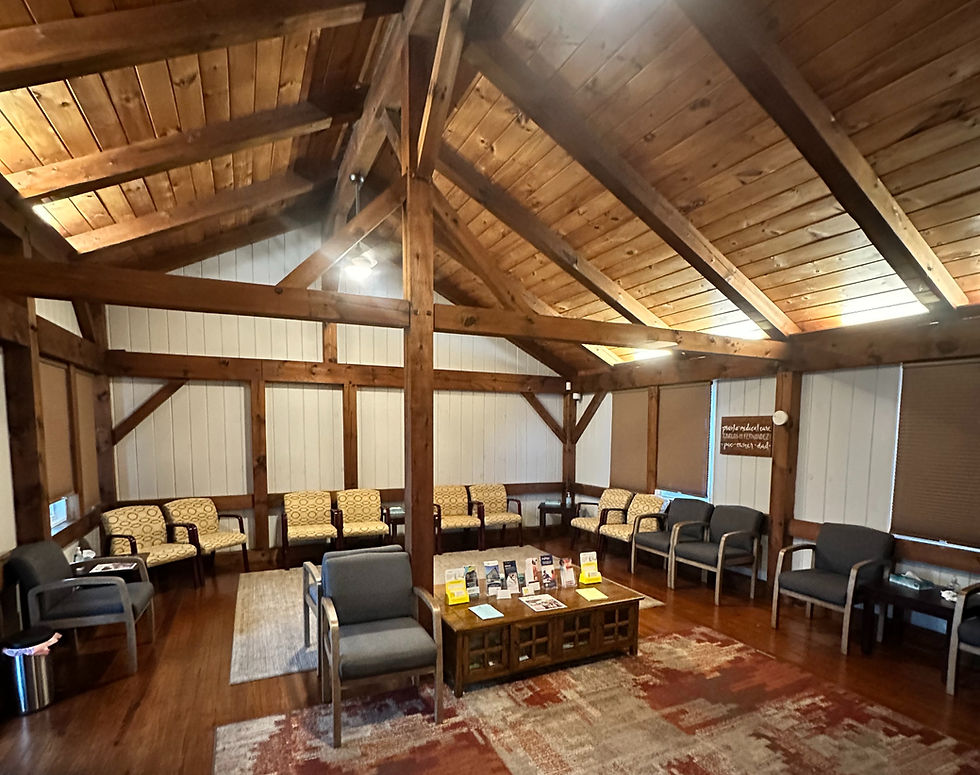
For many non-life-threatening health concerns, a community clinic can offer a practical alternative to waiting days for an appointment or spending hours in an emergency department. The right choice still depends on the symptoms, the patient’s history, and the level of care needed. Quality care begins with knowing what a clinic can help manage and when a higher level of care is necessary.
Panama City Clinic Quality Starts With Respect
A quality clinic visit should feel organized and personal from the first conversation. Patients should be able to explain what is wrong, ask questions, and receive an answer in plain language. That matters whether someone is coming in for a sinus infection, a medication concern, a minor injury, or help managing a chronic condition.
Respect also shows up in the small details. Staff should listen without making assumptions, recognize that pain and worry affect people differently, and explain what will happen next. A parent bringing in a sick child may need reassurance. An older adult with diabetes may need clear instructions about medications, diet, or follow-up. A working adult may need to understand when it is reasonable to return to work and what symptoms should prompt another call or visit.
Fast care and thoughtful care are not opposites. A clinic can reduce unnecessary waiting while still taking the time to ask the questions that affect safe treatment. Patients should not have to choose between convenience and being treated like a person.
What Good Clinical Care Looks Like
Quality is not measured by whether every visit results in a prescription, test, or procedure. Sometimes the best medical decision is supportive care, monitoring symptoms, or arranging follow-up with a primary care provider or specialist. A dependable clinic explains the reasoning behind its recommendations so patients know what to do after they leave.
For minor illnesses and injuries, that often means a focused evaluation of symptoms, medical history, medications, allergies, and warning signs. For chronic conditions, it means looking beyond a single reading or short-term complaint. Blood pressure, diabetes, asthma, thyroid concerns, and similar conditions often require ongoing attention, medication review, and a plan that fits everyday life.
A clinic should also recognize its limits. Severe chest pain, trouble breathing, signs of stroke, severe bleeding, major trauma, loss of consciousness, or other potentially life-threatening symptoms need emergency care. Directing a patient to the emergency department when needed is not a failure of convenience. It is part of responsible clinical judgment.
Clear Instructions Matter After the Visit
The quality of a visit becomes especially clear once the patient gets home. Patients should understand their diagnosis or working diagnosis, how to take prescribed medication, what home care may help, and which symptoms require prompt attention.
Good instructions are specific enough to be useful. Rather than simply saying, “Follow up if worse,” patients benefit from knowing what “worse” can look like: a persistent high fever, increasing pain, dehydration, spreading redness, breathing trouble, or symptoms that are not improving as expected. The details vary by condition, but the goal is the same - no one should leave uncertain about the next step.
Access Is Part of Quality Care
For families across Bay County, access affects health decisions every day. When care is difficult to reach, people may wait too long, miss work while trying to secure an appointment, or turn to the emergency department for concerns that could be managed in an outpatient setting.
Walk-in availability helps when a problem cannot wait for the next open primary care appointment. It is especially useful for everyday concerns such as cold and flu symptoms, urinary discomfort, rashes, minor cuts, sprains, ear pain, and mild-to-moderate illnesses. Still, walk-in care should not mean impersonal care. Patients deserve an appropriate assessment even when their need was unexpected.
Availability also includes practical factors: convenient local access, understandable hours, insurance acceptance, and reasonable self-pay options for uninsured patients. Cost should not be a mystery that prevents someone from seeking care. A clinic does not need to promise that every service will cost the same for every patient, because insurance plans and clinical needs differ. It should, however, make the process as straightforward as possible and help patients understand their options.
Continuity Makes Care More Useful
One-time treatment has value, but many health needs do not end after one visit. A patient treated for a respiratory illness may need follow-up if symptoms linger. A person with high blood pressure may need repeat checks and medication adjustments. Parents may need a trusted place to bring children for common illnesses without starting from scratch each time.
That is why continuity is an important part of Panama City clinic quality. When a clinic can support both timely visits and ongoing family medical needs, patients have a clearer path forward. The care team can better understand recurring symptoms, prior treatments, current medications, and the health goals that matter to the patient.
Continuity does not mean a clinic replaces every specialist or hospital service. It means patients have a dependable starting point for many routine and urgent outpatient concerns. When a referral, imaging study, specialist, or emergency evaluation is appropriate, a quality clinic helps make that transition understandable.
Questions Patients Can Ask
Patients do not need medical training to assess whether a clinic is a good fit. A few direct questions can reveal a great deal about how the practice approaches care:
Can you evaluate this concern here, or do I need emergency care?
What treatment options do you recommend, and why?
What should I watch for after I go home?
When should I follow up if I am not improving?
Do you accept my insurance, and what self-pay options may be available?
A professional clinic welcomes reasonable questions. Clear answers help patients make decisions with confidence, especially when they are sick, uncomfortable, or caring for someone else.
Choosing the Right Setting for the Problem
The best setting depends on urgency. For life-threatening symptoms, call 911 or seek emergency care immediately. Emergency departments are equipped for severe or rapidly worsening conditions, and delaying that care can be dangerous.
For non-life-threatening illnesses, minor injuries, chronic-condition concerns, and routine family medical needs, a walk-in clinic may be the more efficient choice. It can offer timely evaluation without the long emergency department wait often associated with lower-acuity concerns. For preventive care and long-term management, an established primary care relationship is also valuable. These options work best together, not in competition.
Pronto Medical Care is built around that practical middle ground: compassionate outpatient care for patients who need attention soon, along with support for ongoing family health needs. The focus is not on making healthcare complicated. It is on helping patients get appropriate care, clear guidance, and a plan they can follow.
When you need care, trust your symptoms and ask for help early rather than waiting for a manageable problem to become harder to treat. A clinic that listens, communicates clearly, and knows when to escalate care can make a stressful day feel far more manageable.


Comments